




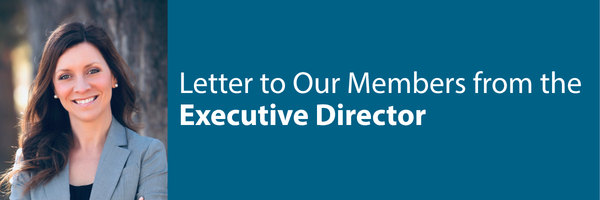
When I joined the Thompson Region Division, I arrived with ideas about what the organization could do and how it could support family physicians, nurse practitioners, and all members across the region. Three years later, I have come to appreciate that leading this organization is less about having the right answers and more about creating the conditions for the right conversations to happen.
Over the past three years, I have spent a great deal of time listening. Listening to physicians who are overwhelmed by administrative burden. Listening to rural physicians and NPs who often feel disconnected from decisions being made elsewhere. Listening to physicians approaching retirement and worrying about who will care for their patients. Listening to new graduates trying to navigate an increasingly complex healthcare system. Listening to partners across Interior Health, municipalities, Indigenous communities, specialist groups, and provincial organizations who are all trying, in different ways, to improve care.
What I have learned is that many of the challenges we face are not the result of a lack of effort. They are the result of a system that is complex, fragmented, and often struggling to change at the pace providers and patients need.
I have also learned that durable change rarely happens because an organization develops a plan and asks everyone else to follow it. In healthcare, the changes that last are usually driven by the people closest to the work. The best ideas often come from those seeing patients every day, managing practices, navigating referral pathways, and working through the realities of an increasingly strained system.
That lesson has shaped how I think about the role of the Division.
Rather than positioning ourselves as the organization that delivers solutions, I increasingly see our role as helping members identify priorities, develop ideas, build connections, and create the momentum required to make change happen. Sometimes that means leading a project. Sometimes it means advocating on behalf of members. It may mean convening the right people around a table. Often it means simply listening carefully enough to understand what problem actually needs solving.
Over the past year alone, we have heard several clear messages from members.
We have heard that many members want a stronger understanding of what the Division is working on and how decisions are being made. We have heard that members want more opportunities to provide input into Division priorities. We have heard concerns about recruitment, retention, retirement planning, provider wellbeing, specialist access, and system complexity. We have heard that physicians and nurse practitioners value opportunities to connect with colleagues, learn from one another, and have a voice in shaping the future of primary care.
None of these messages were particularly surprising. What has been important is hearing them consistently and from different perspectives. When the same themes emerge from surveys, conversations, committees, engagement events, recruitment discussions, and day-to-day interactions, it becomes increasingly clear where we need to focus our attention.
This is one reason I place so much importance on member engagement. The recent member survey is a good example. The 78 responses represent member experience, expertise, frustration, optimism, and trust. Every response was reviewed. Every comment was read because member perspectives should directly influence where we invest our time and resources.
Members will begin to see that influence more clearly over the coming months.
As we develop our next Strategic Plan in the fall, we are intentionally building it around what we have heard from members. Not only through the survey, but through conversations, working groups, committees, meetings, recruitment initiatives, and countless informal discussions that have taken place across the region. The goal is not to create a plan that reflects the priorities of staff or the Board. The goal is to create a plan that reflects the priorities of the people we exist to serve.
If there is one thing I hope members understand about the Division, it is that everything begins with you.
That does not mean we will always work on the issues that are most visible. Sometimes our role requires us to work upstream, alongside regional and provincial partners, on policy, planning, and system change efforts where the connection to day-to-day practice may not be immediately obvious or easily shared in our Quarterly Impact Summaries and Annual Reports. However, those conversations are informed by what we hear from members. They are undertaken because members have identified challenges that require attention.
Ultimately, I believe our success is measured by whether members feel heard, whether they see their priorities reflected in our work, and whether we are helping create a stronger and more sustainable future for primary care in our communities. That is the approach that has emerged from three years of listening, learning, and building relationships across the region. It is the approach that will guide our next Strategic Plan. And it is the approach that will continue to shape how we serve our members in the years ahead.
With appreciation,
Katherine Brown, Executive Director
